
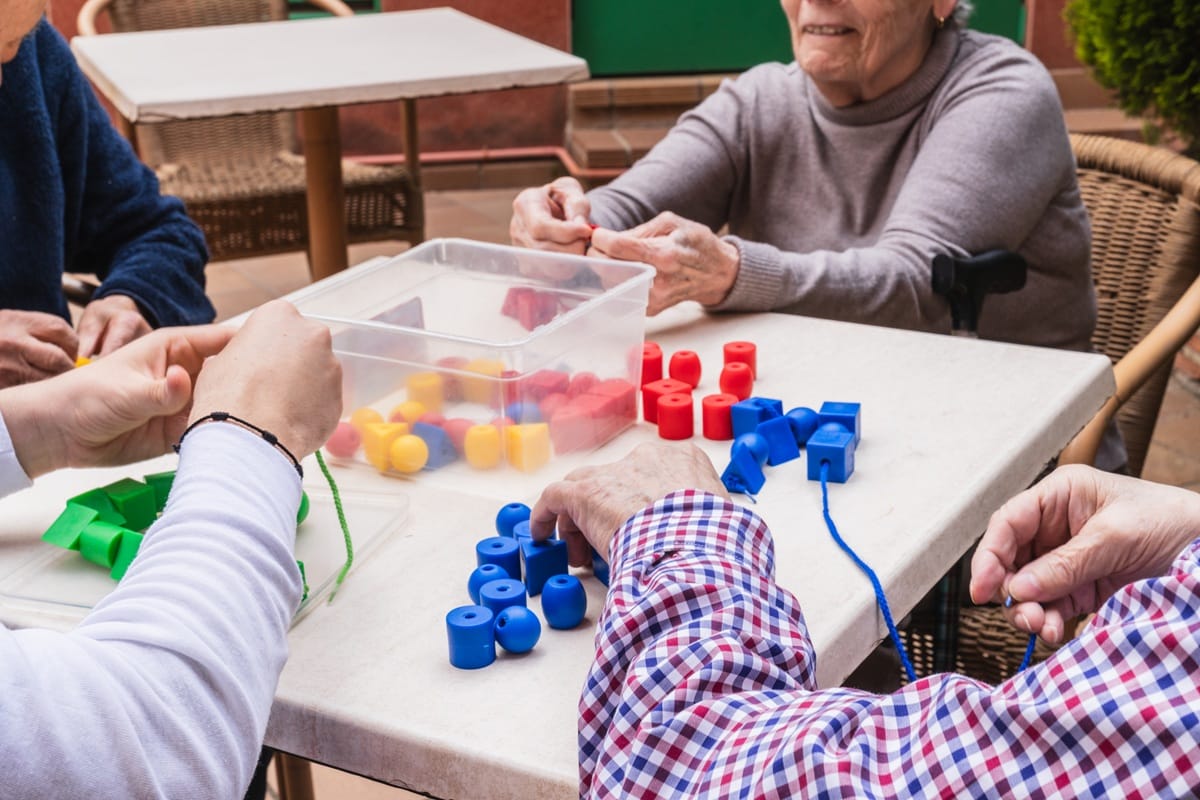
At Bridgeway Park Lansing, we recognize how challenging it can be for a family to keep their loved one with dementia engaged and stimulated with meaningful activities. No matter how determined you are to support them, it can be difficult to meet their mental and emotional needs on your own fully. This is where memory care proves valuable. These specialized long-term care communities have structured daily routines, senior engagement programs, and therapeutic activities that not only keep seniors engaged and stimulated but also support their comprehensive growth. Individuals with dementia find numerous opportunities for joy and purpose in their daily lives that help them lead a high-quality life. Here’s a blog on how dementia care programs keep seniors engaged and stimulated.
Cognitive Stimulation
Cognitive stimulation for residents is the fundamental aspect of a memory care community. They do this to keep residents’ minds active and engaged, which, in turn, helps them reduce cognitive decline and improve their quality of life. The staff brings this planned approach to life by implementing tailored, daily activities such as puzzles, music therapy, reminiscence exercises, and art.
Participating in these planned activities and programs offers benefits such as slowed cognitive decline, reduced anxiety, and improved social interaction. To improve applicability, the staff even tailors these activities to residents’ histories, preferences, and evolving cognitive abilities. These structured, multi-sensory approaches enhance residents’ memory recall and problem-solving skills and encourage emotional regulation.
Reminiscence Therapy
While it’s typically advised not to dwell on the past, not all memories are negative for people with memory ailments like dementia. In fact, memory care communities have a dedicated therapy focused on reflecting on past experiences, known as reminiscence therapy. This therapy involves activities like looking at old photographs and discussing past experiences. Residents share moments and stories from their past to recreate positive experiences and emotions.
These memory recalls help them boost their mood and connect more deeply with peers. During the conversational sessions, residents often reflect on meaningful moments and reconnect with positive memories. They may use props and photos to initiate their discussions and continue reminiscing. The benefits? Reminiscence therapy helps reduce dementia-related agitation, improve mood, and foster social connection.
Sensory Engagement
It’s another way through which memory care communities trigger positive memories. Sensory engagement stimulates residents’ brains by targeting their different senses—sight, hearing, smell, taste, and touch. It integrates tailored visual, auditory, tactile, olfactory, and taste experiences into residents’ daily routines to improve their quality of life.
It’s done through calming environments, such as sensory rooms, aromatherapy, music therapy, and tactile, hands-on objects, to evoke positive memories, spark conversations, and eventually foster an enhanced quality of life for those dealing with dementia. Sensory engagement offers residents a range of benefits, including reduced agitation, better connection, boosted self-esteem, and better communication.
Physical Activity
As mentioned before, memory care communities follow a holistic approach, focusing on residents’ comprehensive wellness. To this end, they even focus on promoting physical activity among residents to keep them fit and healthy. To this end, they encourage tailored, low-impact routines like chair yoga, tai chi, and walking clubs. These are designed to improve mobility, strength, and balance while reducing the risk of falls and accidents for residents. These programs even consist of sensory-rich activities such as gardening, modified sports (such as bocce and bowling), and dance, which help stimulate cognitive function and emotional well-being. Residents follow structured routines for these physical activities, which help them conveniently adhere to them. Following them not only benefits them physically but also helps them develop a sense of purpose.
Social Interaction
Social interaction is a cornerstone of memory care designed to prevent isolation, cognitive decline, and depression. Almost all activities and programs arranged in memory care communities are highly social. These activities and programs include group exercises, music therapy, art classes, and communal dining experiences that help residents combat their feelings of isolation and stimulate cognitive function. The program also includes personalized, sensory-based activities like pet therapy, reminiscence sessions, and interactive games to promote connection, purpose, and joyful engagement. The community even promotes structured routines to help residents get used to the community space and its people. Residents meet their peers, get to know each other, and build lifelong friendships.
Personalized Approaches
To ensure every resident feels connected to the community’s shared platform, the staff tailors each resident’s activities to their personality. They create individualized activity plans based on a resident’s history, hobbies, and cognitive abilities, rather than a one-size-fits-all approach. These tailored programs utilize music/art therapy, reminiscence sessions, and sensory activities to boost cognitive function, reduce anxiety, and promote a sense of purpose and identity. It helps them engage meaningfully and achieve a sense of purpose. The staff even personalizes residents’ living environments to meet their lifestyle preferences and current conditions.
Bridgeway Park Lansing – A Secure, Supportive, And Compassionate Memory Care Community
At Bridgeway Park Lansing, we understand that memory ailments should never limit the quality of life of someone with Alzheimer’s or related conditions. While it could be difficult for the family to keep their dementia-affected loved one active and engaged, a memory care community is equipped to support their healthcare needs and daily lifestyle goals. By choosing a compassionate dementia care community like ours at Bridgeway Park Lansing, families can take the first step toward ensuring a bright, healthier, and more prosperous future for their loved one with Alzheimer’s or related memory ailments.
We promote a life full of vitality and purpose for all our residents. Their everyday life is enriched with a multitude of opportunities for leisure and engagement. Our structured programs and daily care routines are designed to support residents’ holistic wellness and provide stimulation, too.
To learn more about our care plans and cost structures, contact us today. Choose any of our two memory care floor plans and take the first step towards your loved one’s vibrant future.